Managing a vehicle is not just about buying a car and driving it. Smart car owners understand that vehicle ownership includes maintenance costs, fuel expenses, insurance planning, and even investment opportunities related to the oil market. This guide explains how to manage automotive finances wisely.
1. Vehicle Maintenance: Save Money with Preventive Care
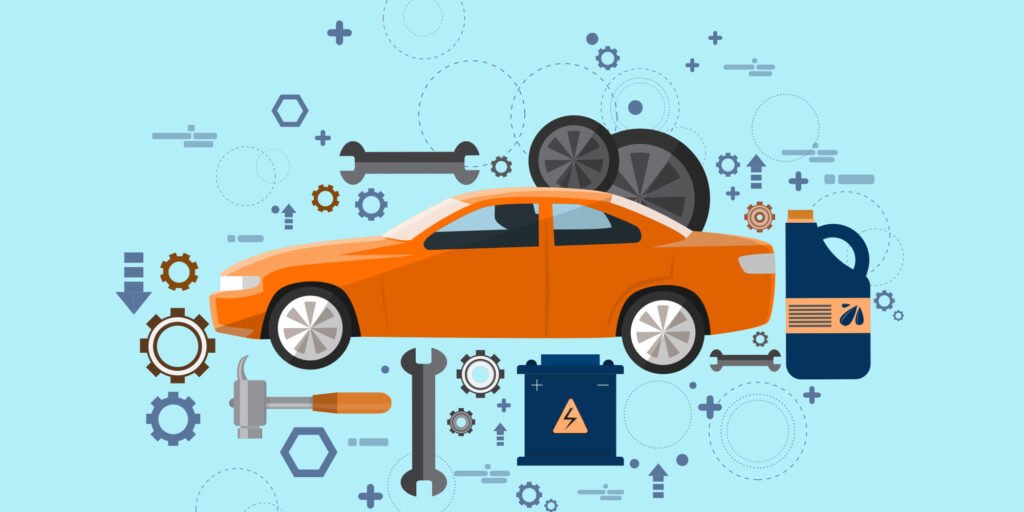
Regular vehicle maintenance helps avoid expensive repairs and increases your car’s lifespan.
Important maintenance tasks:
- Oil changes: Replace engine oil every 5,000–10,000 km depending on your vehicle model.
- Brake inspection: Check brake pads every 10,000–15,000 km.
- Tire rotation: Rotate tires every 8,000 km for even wear.
- Battery check: Replace battery every 3–5 years.
- Air filter replacement: Change filters regularly for better mileage.
Benefits of regular maintenance:
- Better fuel efficiency
- Lower repair bills
- Higher resale value
- Improved safety
2. Understanding Oil Investments
Oil prices affect fuel costs, transportation companies, and automotive expenses. Some investors use oil as part of a diversified portfolio.
Common ways to invest in oil:
- Oil stocks: Invest in energy companies like ExxonMobil, Chevron Corporation, and BP.
- ETFs: Oil exchange-traded funds track crude oil prices.
- Futures trading: Advanced investors trade oil contracts (high risk).
Why oil matters for drivers:
- Rising crude oil prices usually increase petrol and diesel prices.
- Higher fuel costs increase monthly vehicle expenses.
Tip: Track fuel price trends before planning long-distance travel or logistics businesses.
3. Vehicle Insurance: Protect Your Finances
Car insurance protects you from unexpected accidents, theft, and damage.
Types of insurance:
- Third-party insurance: Covers damage to others.
- Comprehensive insurance: Covers your own vehicle plus third-party damage.
- Collision coverage: Pays for accident-related repairs.
- Personal injury protection: Covers medical expenses.
How to reduce insurance costs:
- Compare multiple insurers before renewal.
- Maintain a clean driving record.
- Increase deductible if affordable.
- Bundle car insurance with home or health insurance.
Popular insurance providers in the USA:
4. Budgeting for Total Vehicle Ownership
A smart automotive budget should include:
- EMI or car loan payments
- Fuel costs
- Maintenance expenses
- Insurance premiums
- Emergency repair fund
A common budgeting rule is to keep total car expenses below 15–20% of your monthly income.
Final Thoughts
Vehicle finance is about more than buying a car. By combining regular maintenance, smart insurance choices, and understanding oil market trends, you can reduce costs and protect your finances. A well-maintained and properly insured vehicle is cheaper in the long run than dealing with breakdowns, accidents, and poor financial planning.